Comments Off on Strategize Your Orders to Prepare for Long Lead-Times
Creating a high-quality product requires more than luck—it demands careful planning and the right tools. Every component, from the raw materials to the equipment used, plays a critical role in ensuring success. It starts with selecting the best materials, building an efficient facility, and utilizing top-tier equipment.
But even the best equipment won’t last forever. Over time, wear and tear take their toll, which makes it essential to monitor and maintain machinery to avoid disruptions in your operation.
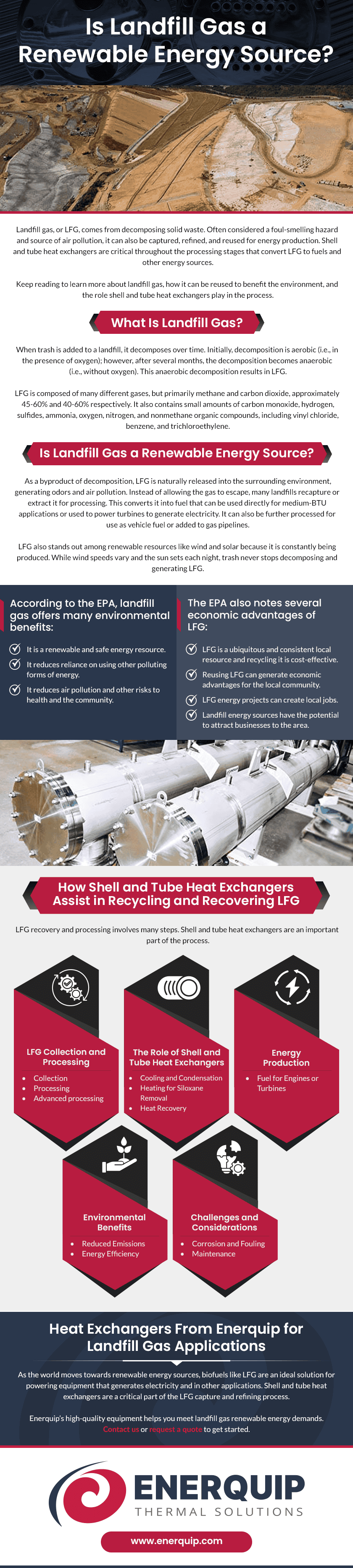
Replacing or upgrading equipment, however, isn’t always a simple task. Large, specialized machinery, like shell and tube heat exchangers, can have long lead times. Waiting for essential equipment can cause significant delays, making proactive planning essential. Here are a few strategies to help streamline the process and minimize downtime.
Know When You’ll Need Replacements
You don’t need to be a fortune teller to predict when equipment might need replacing. Keeping track of the age, condition, and expected lifespan of your machinery will give you a solid idea of when to plan for upgrades or replacements. While it’s important to know the average lifespan of your equipment, remember that factors like usage, environment, and build quality can affect performance, so regular inspections are key. The older your equipment, the more frequently you should inspect it to catch signs of wear early.
Develop an Ordering Schedule
Once you have a general idea of when your equipment may need replacing, it’s smart to create a schedule for ordering new parts or machinery. This allows you to budget accordingly and plan ahead, so you can place orders well before equipment failures occur. By staying proactive, you’ll minimize downtime and avoid the costly delays that come with waiting for critical parts to arrive.
Communicating your needs with your equipment supplier is also essential. By keeping them informed, they can provide you with accurate lead times and production schedules, ensuring that you’re never caught off guard.
Plan for the Unexpected
While planning can help avoid many issues, unexpected problems can still arise. Equipment can fail suddenly, and when it does, quick action is necessary to minimize downtime. Having an emergency budget in place and spare parts on hand will help you recover faster. Additionally, working with a reliable equipment manufacturer who can respond quickly in an emergency can make all the difference.
Build Strong Partnerships
In any industry, strong relationships with trusted suppliers are invaluable. Over time, a reliable partner will gain a deep understanding of your specific needs and processes, making collaboration smoother and more efficient. When it comes to ordering specialized equipment like shell and tube heat exchangers, having a dependable partner ensures that you’re well-supported throughout the process.
If you’re unsure of how to plan for future equipment needs or want advice on reducing lead times, the engineers at Enerquip are ready to help. Contact us today to streamline your operations and stay ahead of the curve.
Comments Off on Duplex Stainless Steel Makes an Excellent Choice for Manufacturers
Designing a shell and tube heat exchanger involves making several important decisions, with one of the most critical being the selection of the right material. The material choice directly impacts the exchanger’s performance, durability, and overall cost.
Material Selection for Heat Exchangers
Engineers have a wide range of materials to choose from when building a shell and tube heat exchanger. Steels and alloys come in different compositions, each offering unique properties that come with distinct advantages and disadvantages. Selecting the right material depends on how the exchanger will be used — factors such as the type of chemicals it will encounter, the operating temperature and pressure, and the environment it will be placed in all play significant roles. Additionally, the chosen material must be both cost-effective and readily available to manufacturers.
Why Duplex Stainless Steel is a Popular Choice
One material that stands out for many industries, including pharmaceuticals, oil and gas, and biotechnology, is duplex stainless steel. Known for its ability to handle high-stress applications, duplex stainless steel is composed of a combination of ferrite and austenite, offering both strength and corrosion resistance.
Stainless steel is categorized into different types based on its composition. Austenitic stainless steels are the most commonly used because of their versatility and ease of welding. However, they can crack under excessive heat or pressure.
Ferritic stainless steels, on the other hand, while not as durable as austenitic varieties, are highly resistant to corrosion and relatively easy to form. By combining both austenite and ferrite into duplex stainless steel, you get the best of both worlds: the strength of austenite and the corrosion resistance of ferrite.
Strength and Efficiency of Duplex Stainless Steel
Due to the strength of duplex stainless steel, engineers can design thinner-walled heat exchangers without sacrificing durability or corrosion resistance. Duplex stainless steel is typically twice as strong as austenitic stainless steel. Thinner walls reduce the amount of material needed, cutting manufacturing costs, while the lower weight can improve the exchanger’s efficiency.
Resistance to Corrosion and Chlorine
Corrosion resistance is another key factor in selecting materials for heat exchangers. Tubes that become corroded or pitted over time can eventually spring leaks, leading to problems such as:
Fouling
Cross-contamination
Damage to tube sheets, shells, or other critical components
Not only are damaged tubes costly to replace, but they can also lead to equipment downtime, negatively impacting productivity.
Corrosion can occur when the material of the exchanger reacts with substances introduced during operation. For example, chlorine is a common cause of pitting corrosion, which can significantly weaken austenitic stainless steels in chlorine-heavy environments. Duplex stainless steel, however, offers superior resistance to the damaging effects of chlorine, making it ideal for industries that frequently work with this chemical.
High-Temperature Tolerance
Duplex stainless steels also tolerate high-temperature applications. While austenitic stainless steels begin to degrade at around 150°F when exposed to chloride and tensile stresses, duplex stainless steel can handle temperatures up to approximately 250°F without risk.
Tackling Rouging
Some industries, such as pharmaceuticals and biotechnology, must contend with rouging, a form of discoloration caused by oxygen exposure. This discoloration can lead to contamination if left unchecked. Cleaning rouging from equipment can be time-consuming and expensive, so selecting a rouging-resistant material is critical. While 316L austenitic stainless steel is popular in these industries for its resistance to rouging, duplex stainless steel has been found to offer even greater protection.
Cost Benefits of Duplex Stainless Steel
In addition to its performance advantages, duplex stainless steel also provides cost benefits. It contains lower levels of nickel and molybdenum compared to austenitic stainless steel, reducing its price and making it less vulnerable to price swings in the raw materials market.
Since duplex stainless steel is stronger, less material is needed to achieve the same durability as with austenitic or ferritic steels, further lowering costs. Over time, the reduced need for maintenance and replacement, thanks to the material’s strength and resistance to corrosion, can result in significant long-term savings.
Choosing the right materials for your shell and tube heat exchanger is critical to the performance and longevity of your system. For a durable, cost-effective, and corrosion-resistant solution, duplex stainless steel offers many advantages. At Enerquip, our team of expert engineers is ready to help you select the best materials and configuration to meet your unique operational needs. Contact us today to learn more about how we can help you increase the efficiency and longevity of your heat exchanger.
Comments Off on Is Landfill Gas a Renewable Energy Source?
Click to Expand
Landfill gas, or LFG, comes from decomposing solid waste. Often considered a foul-smelling hazard and source of air pollution, it can also be captured, refined, and reused for energy production. Shell and tube heat exchangers are critical throughout the processing stages that convert LFG to fuels and other energy sources.
Keep reading to learn more about landfill gas, how it can be reused to benefit the environment, and the role shell and tube heat exchangers play in the process.
What Is Landfill Gas?
When trash is added to a landfill, it decomposes over time. Initially, decomposition is aerobic (i.e., in the presence of oxygen); however, after several months, the decomposition becomes anaerobic (i.e., without oxygen). This anaerobic decomposition results in LFG.
LFG is composed of many different gases, but primarily methane and carbon dioxide, approximately 45-60% and 40-60% respectively. It also contains small amounts of carbon monoxide, hydrogen, sulfides, ammonia, oxygen, nitrogen, and nonmethane organic compounds, including vinyl chloride, benzene, and trichloroethylene.
Is Landfill Gas a Renewable Energy Source?
As a byproduct of decomposition, LFG is naturally released into the surrounding environment, generating odors and air pollution. Instead of allowing the gas to escape, many landfills recapture or extract it for processing. This converts it into fuel that can be used directly for medium-BTU applications or used to power turbines to generate electricity. It can also be further processed for use as vehicle fuel or added to gas pipelines.
LFG also stands out among renewable resources like wind and solar because it is constantly being produced. While wind speeds vary and the sun sets each night, trash never stops decomposing and generating LFG.
According to the EPA, landfill gas offers many environmental benefits:
It is a renewable and safe energy resource.
It reduces reliance on using other polluting forms of energy.
It reduces air pollution and other risks to health and the community.
The EPA also notes several economic advantages of LFG:
LFG is a ubiquitous and consistent local resource and recycling it is cost-effective.
Reusing LFG can generate economic advantages for the local community.
LFG energy projects can create local jobs.
Landfill energy sources have the potential to attract businesses to the area.
Landfill Gas Coolers, Heat Exchangers, from Enerquip
How Shell and Tube Heat Exchangers Assist in Recycling and Recovering LFG
LFG recovery and processing involves many steps. Shell and tube heat exchangers are an important part of the process.
LFG Collection and Processing
Collection. Escaping LFG is collected through a network of pipes and wells.
Processing. Moisture is removed from the LFG so that siloxane and sulfur can be removed to create fuel for electricity production or medium-BTU applications.
Advanced processing. Removing carbon dioxide, nitrogen, oxygen, and VOCs creates fuel for vehicles or to be added to gas pipelines.
The Role of Shell and Tube Heat Exchangers
Cooling and Condensation. Shell and tube heat exchangers help cool raw LFG, condensing the moisture to separate it. This prevents corrosion of equipment due to moisture.
Heating for Siloxane Removal. Shell and tube heat exchangers heat LFG to separate siloxanes. This protects downstream equipment and improves gas quality.
Heat Recovery. Shell and tube heat exchangers help recover heat from combusting purified LFG. The recovered heat can be reused in other processes to improve efficiency.
Energy Production
Fuel for Engines or Turbines. Purified LFG can be used to power turbines or reciprocating engines to generate electricity. Heat exchangers assist in maintaining ideal operating temperatures.
Environmental Benefits
Reduced Emissions. Heat exchangers assist in efficient cooling and purification of landfill gas, reducing harmful emissions.
Energy Efficiency. Incorporating heat exchangers allows for the recovery and use of waste heat.
Challenges and Considerations
Corrosion and Fouling. Heat exchangers require protection from corrosion and fouling from gas impurities.
Maintenance. Regular maintenance is required for efficiency and optimal performance in extreme operating conditions.
Heat Exchangers From Enerquip for Landfill Gas Applications
As the world moves towards renewable energy sources, biofuels like LFG are an ideal solution for powering equipment that generates electricity and in other applications. Shell and tube heat exchangers are a critical part of the LFG capture and refining process.
Enerquip’s high-quality equipment helps you meet landfill gas renewable energy demands. Contact us or request a quote to get started.
Comments Off on Plastic Pyrolysis: Transforming Waste into Resources
Click to Expand
As the world faces growing challenges from plastic waste, innovative technologies like plastic pyrolysis offer promising solutions. Plastic pyrolysis transforms discarded plastic into useful fuels, chemicals, and materials, helping to reduce landfill waste and support a circular economy. Enerquip is providing thermal solutions to serve the emerging plastic pyrolysis industry.
What is Plastic Pyrolysis?
Plastic pyrolysis is an advanced recycling process that heats plastic waste in the absence of oxygen, breaking it down into valuable liquid and gas products without burning it. This process, known as thermal decomposition, takes place at high temperatures—around 932 °F (500 °C)—and produces fuels like pyrolysis oil and gas. These fuels can be used in a variety of applications, including energy production and chemical manufacturing.
Unlike traditional incineration, pyrolysis reforms plastic into useful substances instead of turning it into ash or releasing harmful emissions into the atmosphere. This makes it a more sustainable option for recycling plastic waste.
The Plastic Pyrolysis Process
The plastic pyrolysis process involves several key steps:
Shredding and Drying: Plastic waste is shredded and dried to prepare it for the pyrolysis reactor.
Feedstock Separation: Non-plastic materials are removed to ensure pure feedstock for efficient processing.
Thermal Decomposition: The plastic is heated in a reactor, where it vaporizes and breaks down into pyrolysis oil and gases.
Oil Distillation and Purification: The liquid fuel produced is distilled and purified for further use.
Storage and Dispatch: The final product is stored for distribution or immediate use.
Catalysts for Improved Efficiency
Certain catalysts can enhance the efficiency of the plastic pyrolysis process by speeding up chemical reactions and improving fuel quality. Common catalysts include:
ZSM-5
FCC
MCM-41
Zeolite
Benefits of Plastic Pyrolysis
Plastic pyrolysis offers several advantages that make it an attractive option for plastic recycling:
Relatively Eco-Friendly: Studies show pyrolysis is more environmentally sustainable than landfilling or incinerating mixed plastic waste. The oil produced through pyrolysis replaces the need for new commercial diesel, reducing environmental impact.
Combustion-Free: Since oxygen is absent in the pyrolysis process, no greenhouse gases are emitted from combustion. The only emissions come from the fossil fuels used to heat the reactor, which can be reduced by using the fuel produced during pyrolysis.
Cost-Effective: The gas produced can be reused to heat the reactor, saving significant costs on external fuel.
Importance of Plastic Waste Recycling in the Chemical Industry
Plastics are not a renewable fuel source. Producing plastics and converting them into fuel releases a considerable amount of pollution that can put the health of nearby residents at risk and accelerate climate change.
However, plastic recycling reuses processed plastics, reducing the need to extract raw, new materials from the earth and preserving natural resources. In recycling applications, plastic pyrolysis can also help minimize the emission of heat-trapping gases into the atmosphere.
Properly recycling plastic waste can help prevent it from entering rivers, oceans, and ecosystems, where it can contribute to the degradation of the environment and harm wildlife. Recycling gives plastics a second purpose, preventing it from becoming a recurring pollutant.
Types of Equipment Used in the Plastic Pyrolysis Process
Shell and Tube Heat Exchangers
A shell and tube heat exchanger plays a crucial role in the pyrolysis process by managing the heat transfer between different fluids or gases. Here’s how it fits into the plastic pyrolysis system:
Preheating the feedstock to reduce energy consumption in the reactor.
Cooling pyrolysis vapors to condense them into liquid products like pyrolysis oil.
Recovering heat to increase energy efficiency.
Stabilizing reactor temperature for optimal performance.
Enerquip Heat Exchangers for a Pyrolysis Application
Pyrolysis Oil Burners
While an industrial pyrolysis oil burner is considered optional, the equipment is typically necessary since the pyrolysis oil can be used as fuel to heat the pyrolysis reactor. This eliminates the need to purchase fuel from other sources, resulting in convenience and cost-saving benefits.
Carbon Black Screw Conveyors
Following discharge from the pyrolysis reactor, carbon black must be carried away by screw conveyors. These specialized conveyors help save time and labor.
Environmental Protection Devices
A tail gas purification system is used to purify the tail gas produced during the pyrolysis process. Most pyrolysis plants also maintain a flue gas desulfurization tower as part of their standard flue gas purification system. If there is a greater need for environmental protection, custom configurations are available to meet those needs.
Auto-Feeders
An auto-feeder improves the efficiency of feeding plastic into a pyrolysis reactor. By automatically pressing the plastics into the reactor at high pressures, auto-feeders can significantly reduce the amount of time and effort needed for feeding compared to manual labor.
Vacuum Systems
Once the plastic pyrolysis process is complete, a vacuum system extracts the remaining oil from the reactor to prevent the oil from causing a fire when the reactor door opens.
Plastic Pyrolysis vs. Mechanical Recycling
Chemical Recycling
Chemical recycling encompasses reprocessing technologies, such as industrial pyrolysis, that directly affect the formulation of the polymer or the polymeric waste. Chemical recycling converts the polymer into chemical substances or products for either its original purpose or other purposes, except for energy recovery.
Mechanical Recycling
Also known as physical recycling, mechanical recycling involves processing plastic materials without altering their original chemical structure. The plastics are subject to various processes, such as melting and grinding, that alter the materials’ physical form. Without breaking any polymeric chains, these steps aim to purify the material for reuse.
Enerquip: Your Partner in Plastic Pyrolysis Solutions
Since 1985, Enerquip has been a leader in providing industrial heating and cooling solutions. All of our products are manufactured in the U.S. from our carbon-neutral facilities in Wisconsin and Oklahoma. We continuously explore new and emerging technologies to enhance sustainability, from biofuel blending to landfill gas recycling—and now, plastic pyrolysis.
Request a quote today to see how our equipment can serve your process application.
Comments Off on Exploring Electrolysis as a Leading Hydrogen Production Process
Electrolysis is a method that produces carbon-free hydrogen from nuclear and renewable resources. The process uses electricity to split water into oxygen and hydrogen molecules in the electrolyzer unit. Electrolyzers come in a range of sizes, from small appliance-sized units for small-scale hydrogen production to large-scale units for production facilities in the renewable energy production sector.
Learn more about the main types of electrolysis and how Enerquip’s solutions serve this market.
Types of Electrolysis Processes for Hydrogen Production
Click to Expand
Electrolyzers are made of a cathode and anode with an electrolyte separating them, similar to a fuel cell. There are several types of electrolyzers, each with different functions based on the material of the electrolyte and the ionic species it conducts.
Polymer Electrolyte Membrane Electrolyzers
A polymer electrolyte membrane (PEM) electrolyzer has an electrolyte made of a specialty plastic. When water is introduced to the anode, it reacts to form oxygen and hydrogen ions with a positive charge. The electrons move through an external circuit system, and the hydrogen ions are drawn across the PEM to the cathode. There, the hydrogen ions and electrons combine to form hydrogen gas. The reactions are as follows:
Anode: 2H2O → O2 + 4H+ + 4e-
Cathode: 4H+ + 4e- → 2H2
Alkaline Electrolyzers
In alkaline electrolyzers, hydroxide ions (OH-) in the cathode move through the electrolyte to the anode, and hydrogen gas is generated in the cathode. Alkaline electrolyzers typically use a liquid alkaline electrolyte solution of potassium or sodium hydroxide. However, newer alkaline electrolyzers that use electrolytes made of solid alkaline exchange membranes (AEMs) are being developed and show promising results in lab environments.
Solid Oxide Electrolyzers
A solid oxide electrolyzer uses a solid ceramic electrolyte to conduct oxygen ions (O2-) selectively under elevated temperatures to produce hydrogen. Steam in the cathode and electrons from the external circuit combine to create hydrogen gas and oxygen ions with a negative charge. These oxygen ions transfer through the ceramic membrane, reacting at the anode to generate oxygen gas and electrons for the external circuit.
The Role of Thermal Process Equipment in Electrolysis
Electrolysis offers a unique opportunity to align hydrogen production with renewable energy sources, like wind power, by using excess electricity for hydrogen generation when energy supply exceeds demand. This process provides operational flexibility that enhances the overall efficiency of renewable energy systems.
Enerquip supports hydrogen production by designing and fabricating industrial heating and cooling equipment essential for electrolysis processes. All our products are made in the U.S. and play a crucial role in hydrogen generation. Our heat exchangers and heaters—such as shell and tube heat exchangers, waste heat economizers, and thermal fluid heaters—are vital in these applications.
Heat exchangers are critical in hydrogen production as they recover and recycle heat from the process, improving overall energy efficiency. For instance, in high-temperature electrolysis, heat exchangers capture waste heat and transfer it back to preheat incoming water or steam, reducing energy consumption. This heat recovery system is essential for optimizing the cost-effectiveness and sustainability of hydrogen production.
Additional applications for Enerquip’s heat exchangers include:
HVAC systems
Chemical processing
Ethanol production
Feedwater heaters
Fuel gas heaters
Suction heaters
Oil coolers
Kettle reboilers
General service condensers
Partner With Enerquip
Due to its ability to produce carbon-free hydrogen, electrolysis will continue to grow in popularity to support worldwide sustainability goals. There are several types of hydrogen production electrolysis systems available to meet the needs of your operation. Enerquip offers a variety of heat exchangers and other temperature control solutions for hydrogen production.
Enerquip has delivered industrial heating, cooling, and sanitary solutions made in the USA since 1985. Contact us orrequest a quote to get started with your unique solution today.
Comments Off on How High-Efficiency Industrial Heating Equipment Can Save Your Facility Money
In any production or manufacturing facility, efficiency and profitability are paramount. The more effectively you streamline your processes, the more competitive and profitable your organization becomes.
While cost-effectiveness is often top of mind when choosing materials and vendors, it’s equally important to focus on the industrial equipment and systems your plant depends on. After all, the right equipment can dramatically reduce operational costs over time.
At Enerquip, we specialize in the design and manufacture of highly efficient thermal fluid heating systems, serving a wide range of industries. We’re proud to offer American-made industrial heating equipment that can save facilities thousands of dollars annually.
But what sets our equipment apart in terms of efficiency and savings? Let’s take a look at the key features of our industrial heaters and heating systems that can help reduce costs at your facility.
Key Features of Enerquip’s High-Efficiency Industrial Heating Equipment
1. Serpentine Coil Heater Design
Most industrial thermal fluid heaters feature a helical coil design, which typically provides about 77% efficiency. While we build helical coil for customers who require it, our unique and innovative serpentine coil thermal fluid heater design is more efficient at about 88%. This boost in efficiency can save your facility thousands of dollars each year, making it an investment that often pays for itself in just a few years.
2. Minimal Maintenance
Enerquip’s industrial heating equipment is engineered for longevity and minimal upkeep. In most cases, a simple annual burner tune-up is all that’s required. With fewer replacements and repairs needed, our systems keep maintenance costs low—saving you money in both the short and long term.
3. Exceptional Durability
Built to last, Enerquip’s thermal fluid heaters are among the most durable on the market. With decades of reliable service, our heaters eliminate the need for frequent replacements, ensuring that your facility can operate smoothly without the constant worry of new equipment investments.
4. Low Flow Rates
Our advanced thermal fluid heater design allows for lower flow rates compared to most market alternatives, which leads to significant savings. Lower flow rates reduce the size of the pipes and valves required throughout your system. Smaller components like bends, elbow joints, and piping are more affordable, lowering the overall cost of your heating system.
Additionally, heaters with lower flow rates require pumps with lower horsepower, which consume less electricity. By operating on less power, Enerquip heaters reduce your facility’s energy costs, providing long-term savings on operational expenses.
Invest in Industrial Heating Equipment You Can Rely On
Enerquip is a trusted source for high-quality, energy-efficient industrial heating equipment, proudly made in the USA. Our heaters are ideal for use across multiple industries, including asphalt, refineries, tank terminals, and more.
All our heaters are ASME code stamped and built to last. Whether you need custom heating solutions or standard heating systems, Enerquip has the expertise to deliver.
Interested in learning how our equipment can help your facility save money and boost efficiency? Contact us at (833) 516-6888 or online here for more information.
Over the lifespan of a shell and tube heat exchanger, the tubes endure significant stress from rapidly flowing liquids. This natural wear and tear is compounded by factors like maldistribution or sediment buildup, increasing the potential for damage. While investing in high-quality materials like stainless steel can extend the life of a heat exchanger, wear is inevitable. Eventually, parts will need replacing or, in some cases, the entire unit may require an upgrade. It’s essential to monitor the health of your equipment proactively, rather than waiting for a failure that could disrupt production and harm profitability.
Leak Detection: Key to Preventing Major Failures
Regular leak detection is one of the most effective ways to ensure the health of your shell and tube heat exchanger. Leaks can cause cross-contamination, fouling, equipment damage, or even product recalls. Detecting leaks early helps maintain smooth operations and prevents costly downtime. Fortunately, several modern techniques allow leak detection without disrupting production.
1. Radiotracers
Radiotracers are a highly effective method for detecting leaks while the exchanger remains online. A small amount of radioisotope is injected into the high-pressure side of the exchanger, and detectors monitor its flow to identify any leaks into the low-pressure side. With only 10 to 17 grams of radioisotope needed, this method minimally impacts the exchanger’s processes.
2. Conductivity and pH Monitoring
Conductivity and pH measurements help detect leaks by identifying changes in electric current-carrying capacity and acidity or basicity within the exchanger. Sensors on the low-pressure side can signal when an undesired substance has crossed over. However, accuracy may be limited when processing fluids like organic materials and water, which have similar levels of conductivity and pH.
3. Helium Testing
Helium is ideal for detecting leaks when the exchanger is offline. Helium gas is pumped into the shell side at high pressure, and a mass spectrometer detects the gas if it escapes through cracks. This method’s high sensitivity makes it effective for pinpointing even small leaks.
4. Acoustic Testing
Leaks emit a distinct sound that can be captured by microphones. Acoustic testing measures the sound’s pitch and frequency to identify the leak’s location. This method is quick, allowing inspections in as little as 9 seconds per tube, but it should be performed offline to avoid interference from operational noise.
5. Dye Penetration
Dye penetration is a simple and cost-effective method for detecting small leaks. A low-viscosity fluid is applied to the suspected area, and if a crack is present, the dye will seep through, highlighting the defect. However, this method requires downtime to perform.
6. Chemical Reactions
Certain gases, such as ammonia, react visibly with specific chemicals. For example, when ammonia leaks, introducing hydrochloric acid produces ammonium chloride gas, which is visible as white plumes. This method is effective but requires caution to avoid unwanted reactions with other substances.
Proactive Maintenance for Long-Term Performance
Detecting leaks early is crucial for extending the life of a shell and tube heat exchanger. Regular inspections using one or more of these methods can prevent major breakdowns and costly downtime.
If your heat exchanger needs repairs or replacement, it’s important to consult experts who can provide the best solution for your operation. At Enerquip, our team of experienced engineers will work closely with you to design and deliver custom heat exchangers tailored to your needs. Contact us today.
Comments Off on Join Enerquip at the NISTM Conference: Booth #109!
We’re excited to announce that Enerquip will be exhibiting at the 17th Annual National Aboveground Storage Tank Conference & Trade Show, taking place on December 10-12, 2024. This premier event is a must-attend for AST professionals, offering a unique opportunity to connect with industry leaders, explore the latest products and services, and gain valuable insights into the ever-evolving world of aboveground storage tanks.
What to Expect at NISTM 2024
The NISTM conference promises a packed agenda filled with engaging sessions and expert speakers. Attendees will have the chance to hear about the latest industry trends, news, and best practices, ensuring they are equipped with the knowledge to stay ahead in the field.
The trade show will feature a wide array of exhibitors, and Enerquip will be at Booth #109. We invite you to stop by and learn about our innovative solutions designed to enhance efficiency and safety in your operations.
Conference Details
Dates: December 10-12, 2024 Location: The Woodlands Waterway Marriott, 1601 Lake Robbins Drive, The Woodlands, TX 77380 Registration: Includes access to all conference sessions, breaks, and the trade show, as well as a certificate of completion and a copy of all speaker presentations.
Don’t miss this chance to engage with industry experts and discover cutting-edge technologies. We look forward to seeing you at Booth #109—let’s shape the future of aboveground storage together!
Comments Off on Join Enerquip at Heat Exchanger World Americas 2024
We’re excited to announce that Enerquip will be participating in the Heat Exchanger World Conference and Expo Americas on October 16-17, 2024, at the NRG Center in Houston, TX! Join us at Booth 1910 to discover our latest innovations in heat transfer technology and learn how we can support your operational needs.
This event is a key gathering for end users, manufacturers, and all members of the heat transfer supply chain, offering a unique platform for networking and knowledge sharing. Attendees will have the opportunity to engage with industry leaders and explore a variety of products and services tailored to the heat exchanger market.
The conference will feature a robust lineup of discussions covering critical topics such as design, fabrication, safety, maintenance, and new technologies—essential insights for anyone in the industry. Plus, attendees seeking professional development can earn certificates of completion for conference participation.
Whether you’re a manufacturer, fabricator, or end user, this is your chance to connect, collaborate, and stay ahead of industry trends. Don’t miss out on this dynamic event—mark your calendars and visit us at Booth 1910!
Event Details:
Dates: October 16-17, 2024
Location: NRG Convention Center, Houston, TX
Trade Show Hours: 10:00 AM – 5:00 PM
We look forward to seeing you there! Let’s advance the heat transfer industry together.
Comments Off on Growing Demand for Frozen Vegetables Calls for Advanced Manufacturing Equipment
Vegetables are a key part of any healthy diet, providing essential nutrients that are hard to find in other foods. Whether paired with a meal or enjoyed on their own, they’re a delicious and versatile choice.
However, fresh vegetables come with some challenges. They’re often seasonal, which means they can be expensive and less flavorful when bought out of season. Plus, they have a short shelf life, limiting how long you can enjoy them.
Fortunately, frozen vegetables offer a great solution. Available year-round at almost any grocery store, frozen veggies are convenient, last longer, and are usually just as tasty and nutritious as fresh ones. They’re often more affordable too, making them a go-to option for many families.
Consumers Like it Cold
The frozen vegetable industry continues to grow. According to a 2024 report from Grand View Research, the global frozen food market (frozen fruits, vegetables, ready meals) was valued at over $194 billion in 2023, with a projected annual growth rate of 5.4% from 2024 to 2030. This surge is driven by consumers’ focus on healthy eating and the convenience of quick-prep meals, especially in today’s fast-paced world.
Frozen veggies are a perfect fit for modern lifestyles. As more people aim to eat healthier, they’re seeking out time-saving options that don’t compromise nutrition. The rise of home cooking trends, including meal-prep and freezer-friendly recipes, has made frozen vegetables a pantry essential. Additionally, improved access to refrigeration and freezing technology across the globe has opened up the market to more consumers, particularly in developing countries.
How Frozen Vegetables are Made
Have you ever noticed labels boasting that veggies were frozen just hours after harvesting? It’s true, but there’s more to the story. Before vegetables are frozen, they go through a crucial step called blanching.
Blanching involves briefly heating the vegetables in hot water or steam, which helps to kill bacteria and deactivate enzymes that could spoil the food. This process also preserves the color, flavor, and texture, ensuring the veggies taste fresh when you cook them later. After blanching, the vegetables are quickly cooled, sorted, and frozen.
Turning Up the Heat
Blanching needs to be done precisely to ensure the vegetables maintain their quality. Typically, vegetables are heated to around 212°F for a quick blanch or 150°F for a warm blanch, depending on the vegetable. After blanching, they’re cooled to around 100°F.
Manufacturers rely on efficient equipment to heat and cool the vegetables quickly while minimizing energy use. One of the best tools for this process is a shell and tube heat exchanger. These systems can be used to control the temperature of the heating medium for blanching and recover heat energy lost during the process. This heat recovery can reduce energy consumption, saving manufacturers money while keeping the process sustainable.
Improving Your Vegetable Processing Operation
Frozen vegetable manufacturers need to focus on efficiency, quality, and safety. At Enerquip, we specialize in designing and fabricating shell and tube heat exchangers for almost any process. Talk to our team of engineers today to find the perfect solution for your vegetable processing operation.
Enerquip Thermal Solutions uses cookies to give you a more personalized experience on our website. If you continue to use our services, we assume that you accept such use. Learn more about cookies and how you can refuse them on our Privacy Policy page.