Skip to Content
Exit

Author Archives: Enerquip

  1. How Food Safety Regulations Shape Equipment Decisions in Animal Food Manufacturing

    Comments Off on How Food Safety Regulations Shape Equipment Decisions in Animal Food Manufacturing

    Every year, millions of Americans are affected by foodborne illnesses—many of which can be prevented through smarter processes and better equipment. The Food Safety Modernization Act (FSMA) continues to shape how animal food manufacturers operate, placing a sharp focus on Current Good Manufacturing Practices (CGMPs) and preventive controls. In this post, we’ll explore what CGMPs mean for your facility, how preventive controls work, and how equipment like stainless steel heat exchangers can support your compliance efforts.

    What Are CGMPs and Why Do They Matter?

    CGMPs provide the foundation for a clean, safe manufacturing environment. In the animal food sector, these practices cover critical areas like:

    • Sanitation and hygiene
    • Water quality and environmental conditions
    • Personnel training
    • Equipment design and maintenance

    According to the FDA, these practices reflect actions that manufacturers should already be taking as part of their daily operations. The goal is to prevent contamination from ever occurring—not just respond to it after the fact.

    For example, equipment used in production should be:

    • Easy to clean
    • Made from nontoxic materials
    • Properly maintained
    • Designed to prevent contamination

    Going Beyond the Basics: Preventive Controls

    Once CGMPs are in place, manufacturers must take it a step further with preventive controls. These are tailored strategies based on the specific risks at your facility. Preventive controls include:

    • Process controls (e.g., heating, cooling, or mixing steps)
    • Sanitation controls to reduce pathogens or physical hazards
    • Supply chain controls to ensure incoming materials are safe
    • Recall plans in case contamination does occur

    Each facility must develop a written food safety plan, including a hazard analysis and the measures in place to minimize those risks. Redundancy is encouraged—if one safety step fails, another should catch the issue before it impacts product quality or public health.

    How Equipment Choices Support Compliance

    Your process equipment plays a huge role in meeting FSMA expectations. That’s why many manufacturers choose stainless steel shell and tube heat exchangers. They offer several CGMP-aligned advantages:

    • Sanitary design: Stainless steel is non-reactive and easy to clean.
    • Durability: It holds up well under pressure and resists corrosion.
    • Ease of maintenance: Options like straight-tube or removable U-tube bundles simplify cleaning and inspections.

    It’s also important to monitor equipment for signs of wear and tear. High-pressure differentials can cause stress cracks or leaks over time, which could lead to contamination—especially if the water or fluids used aren’t food-grade.

    Regular inspections and timely repairs or replacements are key. A proactive maintenance plan not only protects your product but keeps you in line with FDA expectations.

    Stay Ahead of Compliance

    While FSMA inspections are now well underway, staying compliant is an ongoing process. Reviewing your food safety plan, employee training programs, and equipment regularly will help keep your operations safe and audit-ready.

    If you’re evaluating new equipment or upgrading existing systems to meet CGMP standards, Enerquip’s stainless steel heat exchangers are designed with compliance in mind.

    Contact us to learn how we can support your food safety goals.

  2. What to Know About Clean-in-Place (CIP) Systems

    Comments Off on What to Know About Clean-in-Place (CIP) Systems

    In the food, beverage, and pharmaceutical industries, three things are non-negotiable: product quality, minimal downtime, and strict sanitation. But achieving all three? That takes more than elbow grease—it requires smart design, thoughtful planning, and the right equipment.

    One key part of that strategy is a clean-in-place (CIP) system. These systems are widely used to clean the interior surfaces of pipes, vessels, heat exchangers, and other process equipment—without having to disassemble anything. They’re efficient, effective, and meet the strict standards set by regulatory bodies like 3-A Sanitary Standards.

    Key Components in a Clean-in-Place (CIP) System

    CIP systems come in a range of styles and configurations, but most share some essential components:

    Core Equipment May Include:

    • Pumps for introducing chemical sanitizers and water
    • Valves for flow control
    • A heat exchanger on the supply side to maintain cleaning solution temperature
    • A system for recording data such as temperature, cycle times, and material usage (manual or digital)

    Common Tank Configurations:

    • Single-tank systems: Combine rinse and wash in one cycle
    • Two-tank systems: Separate rinse and wash for better control
    • Three-tank systems: Add a recovery tank to reuse solutions
    • Four-tank systems: Include additional storage for acid, alkaline, or sanitizing agents

    Depending on your cleaning goals, CIP systems can be one-pass (with precise chemical dosing) or multi-pass (requiring more tanks for solution reuse).

    How Water and Chemicals Are Delivered

    Distribution within the system is also key. The two most common delivery methods are:

    • Spray balls: Best for processes that don’t require high pressure
    • Rotary spray heads: Ideal for applications needing higher impact cleaning

    Regardless of the spray method, it’s critical that all interior surfaces are fully reached. A missed spot—especially in hard-to-clean areas—can lead to contamination, product quality issues, or compliance violations.

    How Flow Rate Impacts CIP System Effectiveness

    Flow rate is an important factor in CIP performance. While it might seem like “more is better,” high flow rates also increase water, energy, and chemical usage. The sweet spot? Just enough flow to ensure thorough cleaning without unnecessary cost or waste.

    When a cleaning issue arises, the instinct may be to crank up the flow. But in many cases, other targeted solutions are more effective—especially in tricky spots like bends, corners, and dead legs (like those found in U-tube heat exchangers).

    Alternative Cleaning Strategies:

    • Pulsating or reversing flow to create turbulence
    • Ice pigging (flushing with an ice slurry)
    • Effervescent solutions that generate wall-shear stress
    • Jet cleaning to direct force at hard-to-reach areas
    • Pre-draining lines before the CIP cycle to create a stronger initial surge

    Why CIP System Documentation Matters for Compliance

    Regulatory agencies require food manufacturers to document cleaning processes. Fortunately, many modern CIP systems do this automatically—but automation doesn’t mean hands-off. Frequent review and manual checks are still essential.

    Today’s software-based CIP event recorders can track:

    • Cycle start and end times
    • Chemical and water usage
    • Interruptions or deviations in the process
    • Operator interventions (pauses, aborts, extra steps)
    • Missed or repeated steps

    These tools not only improve traceability and compliance—they also provide insight into trends and issues that might otherwise go unnoticed.

    Improve CIP Performance with the Right Heat Exchanger

    If you’re upgrading your CIP system or building a new one, the right heat exchanger can make all the difference. A high-quality stainless steel shell and tube heat exchanger is built for both efficiency and cleanability—and plays a key role in maintaining sanitary conditions.

    At Enerquip, our knowledgeable team understands the importance of meeting 3-A, ASME-BPE, and other stringent industry standards. Whether you’re designing a new CIP system or retrofitting an existing one, we’re here to help.

    Contact us today to learn more about our sanitary heat exchanger solutions.

    More from the Enerquip Blog

  3. Enerquip Expands Welding Simulator Program to Local Schools

    Comments Off on Enerquip Expands Welding Simulator Program to Local Schools
    Enerquip Expands Welding Simulator Program to Local Schools

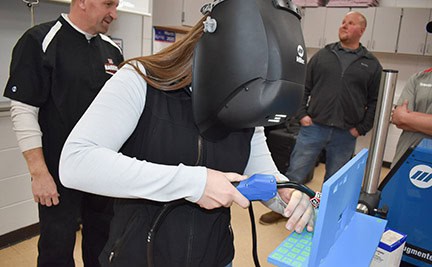
    MASH’s Just Girls Tech class got a spark-free taste of welding, thanks to Enerquip’s simulators and pros Travis Frost, Welder, and Trent Weik, Plant Foreman—working in collaboration with tech ed teacher Mr. Craig Diedrich.

    As the demand for skilled welders continues to rise, Enerquip is turning up the heat on welding education—this time by teaming up with local school districts to bring welding simulators straight into tech ed classrooms.

    Following a successful partnership with the Colby School District, Enerquip has now collaborated with the Medford Area School District to enhance hands-on learning through its AugmentedArc® and MobileArc™ Augmented Reality Welding Systems from Miller. The simulators are currently in use in the Just Girls Tech class at Medford Area Senior High School (MASH), giving students a safe, immersive way to explore welding with realistic, interactive training tools.

    “These simulators give our students a unique opportunity to get real-world welding experience in a safe, controlled setting,” said Mr. Craig Diedrich, Tech Ed Teacher at MASH. “It’s one thing to teach from a textbook, but it’s another to let students see their welds come to life—digitally and physically. That experience is invaluable.”

    For MASH junior Kayelee Lindahl, the simulator program has been the perfect blend of hands-on learning and virtual tech.

    “I have a lot of fun with tech ed classes. They’re so hands-on compared to other classes I could take,” said Kayelee, who’s currently in the Just Girls Tech class. “The Enerquip simulator is really cool. It gives us the feeling of real-life welding without the spattering of sparks, and it’s got a really similar speed and pace compared to real-life welds.”

    Enerquip Expands Welding Simulator Program to Local Schools

    MASH Junior Kayelee Lindahl digitally welds with the AugmentedArc® system, while tech ed teacher Mr. Craig Diedrich (left) tracks her progress in real time.

    Kayelee, who also completed Northcentral Technical College’s Welding 1 & 2 courses—offered right at MASH—says her growing skills are helping her consider welding as a potential career. “I love seeing the progress from my first welds of the year to where I am now.”

    This expansion marks a new chapter in Enerquip’s commitment to workforce development. By integrating augmented reality into local classrooms, the company is helping students build confidence, develop technical skills, and explore future careers—before ever picking up a real torch.

    “Investing in future welders means investing in our community,” said Tim Strebig, Facilities & Operations Manager at Enerquip. “By bringing this technology into schools, we’re not only sparking interest in welding, we’re lighting the way for the next generation of skilled tradespeople.”

    To bring this partnership to your school—call Tim Strebig at 715-748-5888.


  4. How Evaporation Equipment Powers Food, Pharma, Energy & More

    Comments Off on How Evaporation Equipment Powers Food, Pharma, Energy & More

    Introduction to Evaporation Technology

    Evaporation is a critical process across multiple industries, enabling concentration, purification, and recovery of valuable materials. Whether in food processing, pharmaceuticals, chemical manufacturing, or wastewater treatment, evaporation equipment—like shell and tube heat exchangers—play a crucial role in enhancing efficiency, sustainability, and cost reduction.

    While many associate evaporators with solvent recovery after plant oil extraction, their applications extend far beyond that. Here, we’ll explore the diverse uses of evaporation technology and how engineers can optimize these systems for maximum performance.

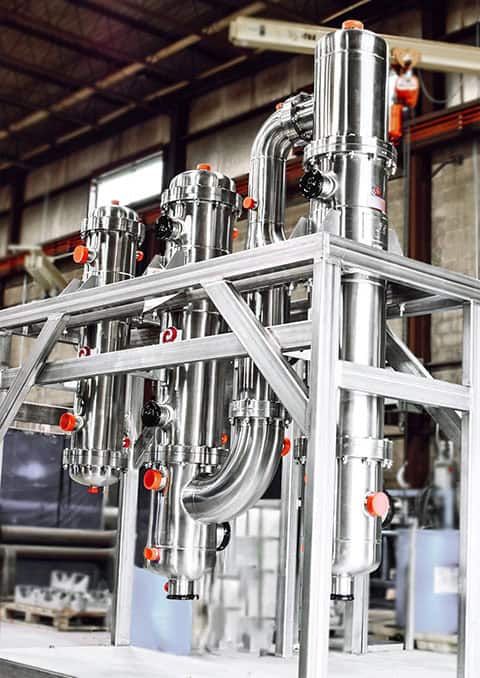
    Enerquip falling film evaporators for a plant oil extraction process

    Enerquip falling film evaporators for a plant oil extraction process

    How an Evaporator Works

    An evaporator functions by applying heat to a liquid, causing its volatile components to vaporize while leaving behind concentrated solids or solutes. Depending on the industry, either the vaporized material or the concentrated residue can be the desired product.

    Evaporators are essential for:
    Concentrating valuable substances in food, pharmaceuticals, and chemicals
    Purifying solvents and liquids for reuse, reducing waste
    Enhancing sustainability in water treatment and environmental applications

    The Many Applications of Evaporators

    1. Food & Beverage Processing

    Evaporation plays a key role in the concentration and preservation of food and beverages, enhancing flavor, texture, and shelf life.

    • Fruit Juice Concentration – Removing excess water while preserving nutrients and taste.
    • Dairy Processing – Concentrating milk, whey, and other dairy products for further processing into powders or condensed milk.
    • Sugar Production – Thickening sugar syrups before crystallization.
    2. Pharmaceutical & Biotechnology Industries

    Precision is crucial in pharmaceutical manufacturing, and evaporators support multiple processes, including:

    • Active Ingredient Concentration – Ensuring that medicinal compounds reach the desired potency.
    • Essential Oil Extraction – Producing pure, high-quality oils for use in aromatherapy, skincare, and medicine.
    • Solvent Recovery – Purifying solvents used in drug formulation for reuse, reducing waste and costs.
    3. Chemical & Petrochemical Manufacturing
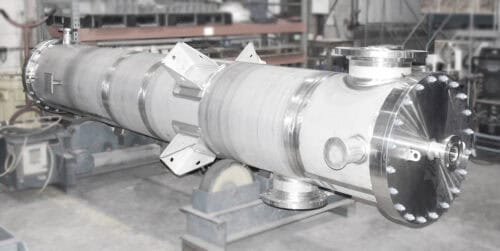
    Vertical straight tube exchanger for an industrial multi-stage evaporation process

    Vertical straight tube exchanger for an industrial multi-stage evaporation process

    Industrial evaporators are vital for chemical production, supporting processes such as:

    • Concentrating Acids and Alkalis – Used in manufacturing detergents, fertilizers, and industrial chemicals.
    • Solvent Separation – Recovering and purifying solvents from reaction mixtures.
    • Polymer and Resin Production – Controlling viscosity and composition through precise evaporation techniques.
    4. Wastewater Treatment & Environmental Applications

    With sustainability becoming a top priority, evaporation systems are helping industries manage waste more effectively:

    • Industrial Waste Reduction – Removing water from liquid waste streams to minimize disposal costs.
    • Brine Concentration in Desalination – Extracting fresh water while reducing brine volume.
    • Heavy Metal Recovery – Allowing industries to reclaim valuable metals from wastewater for reuse.
    5. Textile & Dye Manufacturing

    Evaporation processes are used to:

    • Enhance Dye Fixation – Removing excess water from dye solutions to ensure deeper color penetration and durability.
    • Textile Finishing – Assisting in chemical concentration for fabric treatment processes.
    6. Power Generation & Renewable Energy

    Thermal evaporation is an essential component of:

    • Steam Power Plants – Concentrating boiler feedwater to optimize energy efficiency.
    • Biofuel Production – Removing water from bioethanol and biodiesel mixtures to improve fuel quality.
    • Thermal Desalination for Power Plants – Recycling water for use in cooling systems and steam generation.

    Choosing the Right Evaporation Equipment

    With such a wide range of applications, shell and tube heat exchanger design for evaporation is critical. Engineers and facility managers must consider factors such as:

    • Flow Rate & Scalability – Systems must be designed to handle varying input volumes efficiently.
    • Energy Consumption – Minimizing heat loss and optimizing energy use for cost savings.
    • Material Compatibility – Ensuring the system can withstand corrosive substances or food-grade applications.
    • Sanitary Design – Polished surfaces and easy-cleaning features for industries with strict hygiene requirements.

    The Future of Evaporation Technology

    As industries push for greater efficiency, sustainability, and cost-effectiveness, evaporation technology will continue to evolve. Advances in automation, heat recovery, and modular system design are making these systems more adaptable than ever.

    If you’re considering implementing an evaporation system or upgrading your current setup, Enerquip’s experts can help you find the best solution for your needs. Contact us today to explore customized solutions for your industry.

    More from the Enerquip Blog

    Rouging: What It Is and How to Avoid It

    The Case for Waste Heat Recovery: Why Your Facility Shouldn’t Ignore It

    Why Careful Wastewater Treatment for Breweries Matters

    Closed-Loop Process Cooling Reduces Water, Energy Use in Pharmaceutical Manufacturing

    Common Questions About Pharma-Grade Shell and Tube Heat Exchangers

    Decoding the Delicate Balance of Sizing Shell and Tube Heat Exchangers

  5. Rouging: What It Is and How to Avoid It

    Comments Off on Rouging: What It Is and How to Avoid It

    What Causes Rouging in Stainless Steel Equipment — and How to Prevent It

    Pharmaceutical and sanitary manufacturers know that when it comes to high-purity processing, every detail matters — especially the equipment. That’s why stainless steel shell and tube heat exchangers are a go-to choice. They’re durable, cost-effective, and resistant to corrosion and staining.

    But even stainless steel has its vulnerabilities.

    While it’s famously tough, stainless steel isn’t invincible. Over time, under certain conditions, it can begin to show signs of wear. One such red flag — literally — is rouging.

    What Is Rouging?

    Rouging, pronounced ROO-jing, is a colorful surface discoloration that typically appears in shades of red, orange, or yellow — though it can also show up as pink, purple, or brown. While it may look like just a cosmetic issue, rouging is actually a sign that something’s happening beneath the surface.

    Technically, rouging isn’t corrosion itself, but a symptom of it. It’s often the result of iron oxide buildup, and while the specific chemical makeup can vary, the underlying message is the same: the passive layer that protects stainless steel may be compromised.

    The Role of the Passive Layer

    Stainless steel owes much of its durability to a thin, naturally forming oxide layer that protects it from chemical reactions. This passive layer is formed when the steel is exposed to oxygen. But if the chromium-to-iron ratio drops — due to heat, wear, or chemical exposure — that protective layer might not form properly.

    When that happens, the metal becomes more vulnerable, and rouging can follow.

    What Causes Rouging?

    Rouging isn’t fully understood, but some common triggers include:

    • Poor welding or fabrication practices
    • Contaminants like iron particles or steel dust
    • High iron content in fluids or cleaning agents
    • Frequent exposure to high temperatures (140°F and up)
    • Extreme pH levels (either very acidic or very basic)
    • Surface imperfections or damage

    Even if you’re following all the right steps, rouging can still occur. The key is to minimize the risk and catch it early.

    How to Prevent Rouging in Stainless Steel Equipment

    Here are a few smart steps to protect your equipment — and your product:

    1. Select the Right Materials

    316L stainless steel is a popular choice for pharmaceutical-grade heat exchangers because of its low carbon content and strong resistance to corrosion. It’s also austenitic, meaning it can stand up to heat and stress.

    For even more protection, consider duplex stainless steel, which combines the benefits of both austenitic and ferritic structures for superior durability and corrosion resistance.

    2. Work with a Trusted Fabricator

    Rouging often starts with improper construction. Choosing a reputable equipment manufacturer helps ensure your equipment is fabricated to meet strict sanitary standards like ASME-BPE. Be sure to discuss your application, cleaning processes, and operating environment so your fabricator can recommend the best material and surface finish.

    3. Understand the Risk Factors

    Rouging is more likely to happen under these conditions:

    • Long exposure to temperatures over 140°F
    • Cleaning or process chemicals with extreme pH levels
    • Surface roughness or imperfections

    Processes that require these conditions aren’t inherently flawed — they just require extra monitoring and preventative maintenance.

    4. Electropolish for a Smoother Finish

    A smooth surface helps reduce rouging by minimizing crevices where contaminants can settle. Electropolishing removes microscopic imperfections and supports the formation of a stable passive layer — making your stainless steel more resistant to corrosion and discoloration.

    What to Do if You Spot Rouging

    Don’t panic — and definitely don’t start scrubbing with harsh chemicals. First, evaluate the discoloration and look for potential sources: temperature spikes, cleaning agents, or surface wear.

    In many cases, rouging looks worse than it is. Still, it’s smart to consult with an expert who can assess the situation, determine the cause, and guide you on the best path forward — whether that means cleaning, repassivation, or replacement.

    Bottom Line: Rouging isn’t always preventable, but it is manageable. By understanding the conditions that cause it and taking proactive steps, pharmaceutical manufacturers can protect both their equipment and their end product.

    Need stainless steel heat exchangers built to last?
    Contact the experts at Enerquip. Our team is ready to help you select and customize the right solution for your process — with the durability and purity your product demands.

    More from the Enerquip Blog

    Closed-Loop Process Cooling Reduces Water, Energy Use in Pharmaceutical Manufacturing

    Common Questions About Pharma-Grade Shell and Tube Heat Exchangers

    Decoding the Delicate Balance of Sizing Shell and Tube Heat Exchangers

    Discover the Hidden Brilliance of Metal Surfaces: Unleash the Power of Electropolishing

    Plant Steam vs. Culinary Steam vs. Pure Steam. What’s the difference?

  6. Nitrogen Blanketing in Thermal Fluid Heating Systems

    Comments Off on Nitrogen Blanketing in Thermal Fluid Heating Systems

    What is Nitrogen Blanketing?

    Nitrogen blanketing is a critical process used in industrial heating systems to enhance safety, efficiency, and longevity. It involves introducing nitrogen gas into an expansion tank to displace oxygen, preventing oxidation and degradation of the thermal fluid.

    Why It Matters in Thermal Fluid Systems

    In closed-loop heating systems, expansion tanks accommodate the thermal expansion of heated fluids. Without nitrogen blanketing, air enters the tank, introducing oxygen that accelerates fluid oxidation, shortens its lifespan, and increases maintenance needs. By replacing oxygen with nitrogen, oxidation is prevented, preserving fluid quality and system performance.

    Key Benefits of Nitrogen Blanketing

    1. Prevents Overflow – In systems where the expansion tank isn’t located at the highest point, a pressurized N₂ blanket keeps thermal fluid from draining back into the tank during shutdown. This helps avoid messy spills and wasted fluid.
    2. Enhanced Safety – Eliminates oxygen, reducing fire and explosion risks in flammable fluid systems.
    3. Extended Fluid Life – Prevents oxidation, minimizing sludge buildup and the need for frequent fluid replacement.
    4. Improved Efficiency – Maintains fluid integrity, ensuring optimal heat transfer and energy use.
    5. Lower Maintenance Costs – Reduces system wear and breakdowns, saving time and money.
    6. Environmental Impact – Longer-lasting fluids mean less waste and better sustainability.

    A Smart Investment for Industrial Heating

    Beyond safety, nitrogen blanketing is a strategic choice for engineers and facility managers looking to optimize performance and cut costs. While there’s an initial setup investment, the long-term savings in fluid replacement, energy use, and maintenance make it a cost-effective solution.

    If you’re looking to upgrade your thermal fluid heating system, Enerquip’s experts can help you implement the right nitrogen blanketing solution for your needs. Contact us today to learn more!


    More from the Enerquip Blog

  7. Shell and Tube Heat Exchangers Help Produce Quality Honey

    Comments Off on Shell and Tube Heat Exchangers Help Produce Quality Honey

    The Growing Demand for Honey

    Honey is a remarkably versatile ingredient, enhancing everything from fried chicken to kale chips with its natural sweetness. More than just a pantry staple, its popularity continues to grow as consumers prioritize natural, unprocessed foods.

    Over the past decade, honey consumption has steadily risen and is expected to remain strong into 2025 and beyond. In 2023, the average American consumed about 19.5 fluid ounces, reflecting the continued shift toward natural sweeteners.

    With rising demand comes higher consumer expectations. Shoppers seek honey that’s not only delicious but also visually appealing and long-lasting.

    What Consumers Want in Honey

    When browsing store shelves, most consumers prefer liquid honey with a bright, clear appearance. They don’t want to see floating particles like pollen, wax, or—worst of all—bee parts.

    Another key concern? Crystallization. While crystallization is a natural process and doesn’t mean the honey has gone bad, most shoppers aren’t fans of solidified or cloudy honey. Slowing this process is essential for maintaining honey’s appeal on the store shelf.

    How Filtration and Pasteurization Create an Attractive Product

    Since all honey will crystallize eventually, producers use specific methods to slow the process and create a high-quality, long-lasting product. Two essential steps in this process are filtration and pasteurization.

    1. Filtration: Removing Unwanted Particles

    Filtration helps eliminate foreign particles, pollen, and even microscopic air bubbles that contribute to faster crystallization. There are various filtration methods available to honey producers, with some of the most effective processes removing:

    • Dust and pollen
    • Tiny insect parts (like bee wings)
    • Other natural debris

    By refining honey through effective filtration, producers can create a clear and visually appealing product that meets consumer expectations.

    2. Pasteurization: Extending Honey’s Shelf Life

    Pasteurization plays a crucial role in preserving honey’s liquid form. While overheating can damage honey’s natural flavors and nutrients, a controlled heating process minimizes these risks.

    By heating honey to the desired temperature—typically between 145°F and 185°F (63°C to 85°C), depending on the process—manufacturers can:

    • Reduce crystallization
    • Remove tiny air bubbles
    • Improve clarity and consistency

    Using a shell and tube heat exchanger is one of the best ways to achieve precise heating without scorching the honey. This equipment ensures even heat distribution, preventing localized overheating that could degrade the honey’s quality. For even better heat dissipation, manufacturers can incorporate a steam bustle into the unit’s design.

    The Right Equipment for High-Quality Honey Processing

    For honey producers looking to perfect their filtration and pasteurization process, investing in the right equipment is key. Shell and tube heat exchangers provide a gentle and efficient way to maintain honey’s natural properties while enhancing its shelf appeal.

    If you’re ready to improve your honey processing system, contact the experts at Enerquip. We can help you find the best heat exchanger solution to keep your honey looking and tasting its best.


    More from the Enerquip Blog

    Maple Syrup Producers Use Heat Exchangers to Improve Production

    Tube Side or Shell Side: Comparing Fluid Allocation Options for Your Shell and Tube Heat Exchanger

    How Static Mixers & Turbulators Improve Heat Exchanger Efficiency

    How Shell and Tube Heat Exchangers Benefit the Agriculture Industry

  8. Why Our Thermal Fluid Heaters Last Longer Than Others On The Market

    Comments Off on Why Our Thermal Fluid Heaters Last Longer Than Others On The Market

    When purchasing a new piece of thermal fluid heating equipment for your facility, you want to be sure that the product you choose meets your facility’s needs AND has a long enough lifespan to maximize the return on your investment.

    At Enerquip, we’re proud to offer thermal fluid heaters that are some of the longest lasting on the market. Our heaters last decades, many lasting 20 – 30 years or more despite requiring minimal maintenance and service.

    Why do our heaters last so much longer than those from other manufacturers? What innovations have enabled us to increase the lifespan of thermal fluid heaters?

    There are a number of unique aspects of our thermal fluid heaters that help to lengthen their lifespans, giving our customers the ability to enjoy a larger return on their investment.

    What Gives Enerquip Thermal Fluid Heaters Longer Lifespans?

    There are a few key features and components of our thermal fluid heaters that help them to last longer than others on the market.

    Serpentine Coil Heater Design

    Our innovative serpentine coil heater design is perhaps the biggest factor that helps to set our heaters apart and give them added longevity. In addition to operating with increased efficiency, our serpentine coil heaters allow for longer tube life, lower levels of fluid degradation, and easy maintenance.

    Learn more about the benefits of the serpentine coil technology featured in our thermal fluid heaters.

    High Quality Materials

    At the most basic level, products built with high quality materials tend to last longer. It’s as simple as that. Though we build large scale equipment, we take care to use only high quality materials in every aspect of the heaters we construct. Our industrial heating equipment is built to last right here in the USA, so you can feel confident that you’re investing in a heater that’s durable enough to stand up to the rigors of your industry.

    ASME Code

    The ASME Boiler & Pressure Vessel Code provides standards that regulate the design, development, and construction of equipment including industrial thermal fluid heaters. ASME compliant heating equipment must meet safety standards, as well as quality standards. At Enerquip, all of our pressure-retaining components on our heating equipment are built to ASME Code. When you purchase from us, you can rest assured that you are acquiring a heater built with safety, durability and longevity in mind.

    Learn more about ASME Code and why it’s important when it comes to selecting a thermal fluid heater.

    Easy Repairs

    While our heaters are built to last and typically require minimal maintenance, service, and repairs, there are times when repairs may be necessary. Luckily, with serpentine coil thermal fluid heaters, repairs are significantly faster and less expensive than they are for typical helical coil heaters!

    The benefits of this are two-fold. Firstly, you can get your equipment back up and running faster, resulting in less downtime and fewer lost profits. Secondly, you can feasibly repair your thermal fluid heater and won’t have to invest in a brand new system because of a temporary system breakdown.

    Get the details about serpentine coil heater repairs vs. helical coil heater repairs.

    Invest in a Thermal Fluid Heater That’s Built To Last Longer

    Maximize the return on your investment in new heating equipment for your plant or facility by purchasing a serpentine coil thermal fluid heater from Enerquip. Whether you’re looking for a standard piece of equipment or a heating solution customized to meet your organization’s unique needs, we can help.

    With decades of experience, we’re an industry leader when it comes to designing and manufacturing high quality heating equipment. Give us a call today at (833) 516-6888 or request a quote to get started. We’d love the opportunity to partner with you to improve your facility’s heating system.

    More from the Enerquip Blog

    The Purchase Process: What to Expect When Purchasing Thermal Fluid Heating Equipment from Enerquip

    Shell and Tube Heat Exchanger Design Options for Viscous Products

    What are Suction Heaters?

    How Tank Heating Coils Work

    Five Ways to Increase Terminal Efficiency

    How Industrial Heating Equipment Works Through Asphalt Plant Operations [Video]

  9. Waste Heat Recovery Systems Reduce Operational Expenses in Cement Plants

    Comments Off on Waste Heat Recovery Systems Reduce Operational Expenses in Cement Plants

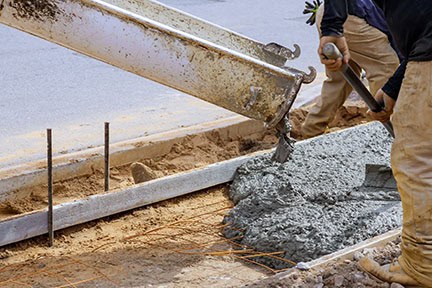
    ConcreteConcrete remains the backbone of modern construction, valued for its strength, durability, and the widespread availability of its core ingredients: gravel, sand, and water. However, the industry faces a major challenge—its significant carbon footprint.

    The Environmental Cost of Cement and Concrete

    Cement, the key binding ingredient in concrete, is a major contributor to global carbon emissions. According to industry estimates, cement production accounts for approximately 8% of the world’s CO2 emissions. The bulk of these emissions come from the chemical transformation of limestone into calcium oxide, a process that releases CO2. Additional emissions stem from the fossil fuels burned to keep cement kilns running and the electricity used in production facilities.

    Despite the environmental impact, demand for concrete continues to rise. Alternative materials have not yet proven to be as viable or as accessible on a large scale. Compared to steel and other construction materials, cement and concrete production require relatively low energy, but their sheer volume makes their emissions footprint significant.

    The Growth of Waste Heat Recovery Systems

    As industries strive to reduce their carbon footprints, waste heat recovery systems have emerged as a critical solution. These systems capture and reuse heat generated during production, improving energy efficiency and reducing emissions. In the cement industry, waste heat recovery system adoption has gained momentum, spurred by stricter environmental regulations and the growing demand for sustainable manufacturing practices.

    The global waste heat recovery market is expected to continue expanding, with cement production remaining a primary driver of growth. Rapid urbanization and infrastructure development further increase the need for energy-efficient cement production methods.

    Waste Heat Recovery in Cement Manufacturing

    Cement production involves heating raw materials like limestone, sand, and shale in rotary kilns that reach temperatures of over 2,600 degrees Fahrenheit. This intense heat is necessary for the chemical reactions that produce clinker, the main component of cement. However, much of this heat escapes as waste energy.

    Waste heat recovery technology helps recover and repurpose this lost heat in several ways:

    • Preheating Raw Materials: Exhaust gases from the kiln are used to heat raw materials before they enter, reducing the energy needed for processing.
    • Clinker Cooling: The heat expelled during clinker cooling can be redirected to other parts of the plant.
    • Electricity Generation: Waste heat can power turbines to generate electricity, reducing reliance on external energy sources. Some systems can supply up to 30% of a plant’s electricity needs.
    • Facility Heating: Excess heat can be repurposed for general heating needs within the plant, further cutting energy costs.

    Investing in Energy Efficiency

    Adopting a waste heat recovery system is one of the most effective ways for cement manufacturers to cut operational costs while reducing their environmental impact. Shell and tube heat exchangers and economizers play a crucial role in maximizing this heat recovery.

    As the cement industry continues to grow, investing in waste heat recovery systems will be essential to balancing sustainability with the world’s ever-increasing demand for concrete.

    If your plant is looking for innovative ways to improve efficiency and lower emissions, reach out to the experts at Enerquip to explore the best heat recovery solutions for your operation.


    More from the Enerquip Blog

    The Case for Waste Heat Recovery: Why Your Facility Shouldn’t Ignore It

    Waste Heat Recovery Units

    Is Landfill Gas a Renewable Energy Source?

    Plastic Pyrolysis: Transforming Waste into Resources

    Selecting Tube Sizing in a Shell and Tube Heat Exchanger

    5 Ways Shell & Tube Heat Exchangers Help Recover Waste Heat

  10. The Ongoing Reshoring Trend: Why U.S. Manufacturing is Moving Back Home

    Comments Off on The Ongoing Reshoring Trend: Why U.S. Manufacturing is Moving Back Home

    In recent years, many U.S. companies have been re-evaluating the benefits of offshoring and choosing to bring manufacturing operations back home. While cost savings once drove production overseas, shifting economic factors and changing business priorities have made reshoring a strategic move for many manufacturers.

    Why Are Companies Reshoring?

    1. Rising Overseas Costs

    While offshore labor was once significantly cheaper, rising wages, supply chain disruptions, and fluctuating tariffs have made foreign production less cost-effective. Many companies have found that the real cost savings of offshoring are much lower than initially expected when factoring in:

    • Increased shipping and logistics expenses
    • Unpredictable lead times and supply chain risks
    • Intellectual property concerns
    • Quality control challenges

    As a result, reshoring often makes better financial sense than continuing offshore operations.

    2. Shorter Lead Times & Improved Supply Chains

    The last few years have exposed the fragility of global supply chains, with port congestion, material shortages, and transportation delays making offshore production riskier than ever. By moving operations closer to consumers, companies can:

    • Reduce lead times
    • Improve inventory management
    • Respond more quickly to market demands

    For industries that rely on just-in-time manufacturing, having domestic production capabilities is a competitive advantage.

    3. “Made in the USA” Matters to Consumers

    More than ever, American consumers and businesses value domestically made products. Advertising a “Made in the USA” label can boost sales, strengthen brand loyalty, and appeal to customers who prioritize local manufacturing.

    Additionally, some industries—such as aerospace, defense, and medical devices—are increasingly required to source materials and components from domestic suppliers due to regulatory and national security concerns.

    4. Sustainability & Corporate Responsibility

    Reshoring can significantly reduce a company’s environmental footprint. Transporting goods across the globe contributes to carbon emissions, whereas local production minimizes transportation-related pollution. Many companies committed to sustainability are reshoring as part of their broader environmental and social governance (ESG) initiatives.

    Challenges in Reshoring & How to Overcome Them

    While reshoring offers numerous benefits, it’s not always an easy process. Companies moving production back to the U.S. face several challenges, including:

    • Facility Investment: Finding the right location and investing in equipment for a new plant.
    • Workforce Development: Addressing potential skill gaps and training new employees.
    • Supplier Transition: Rebuilding domestic supplier networks and replacing overseas vendors.

    For companies unfamiliar with manufacturing operations, partnering with local suppliers and industry experts can ease the transition. Equipment providers, such as Enerquip Thermal Solutions, have helped reshoring companies adapt by designing and manufacturing custom heat exchangers and industrial heating systems to replace offshore systems.

    Is Reshoring Right for Your Business?

    Reshoring isn’t a one-size-fits-all solution, but for many companies, the benefits outweigh the challenges. If your business is considering reshoring, now is the time to evaluate:

    ✔️ Current production costs vs. domestic alternatives
    ✔️ Supply chain risks and dependencies
    ✔️ Customer demand for U.S.-made products
    ✔️ The long-term financial and strategic benefits

    As more companies bring manufacturing back home, the trend is reshaping the U.S. industrial landscape.

    Need Equipment for a Reshored Facility?

    If your company is moving manufacturing operations back to the U.S. and needs stock or custom process heating and cooling solutions, Enerquip Thermal Solutions can help. Contact us to learn more about equipment solutions for your new facility.

    More from the Enerquip Blog

    Are Outdated Heating Systems Costing Your Plant Thousands? Here’s Why Efficiency Matters

    Exploring Electrolysis as a Leading Hydrogen Production Process

    How High-Efficiency Industrial Heating Equipment Can Save Your Facility Money

    Five Ways to Increase Terminal Efficiency

    Benefits of Tank Coils with Helically Wound Fins